

How to Choose Supplements More Safely and Strategically
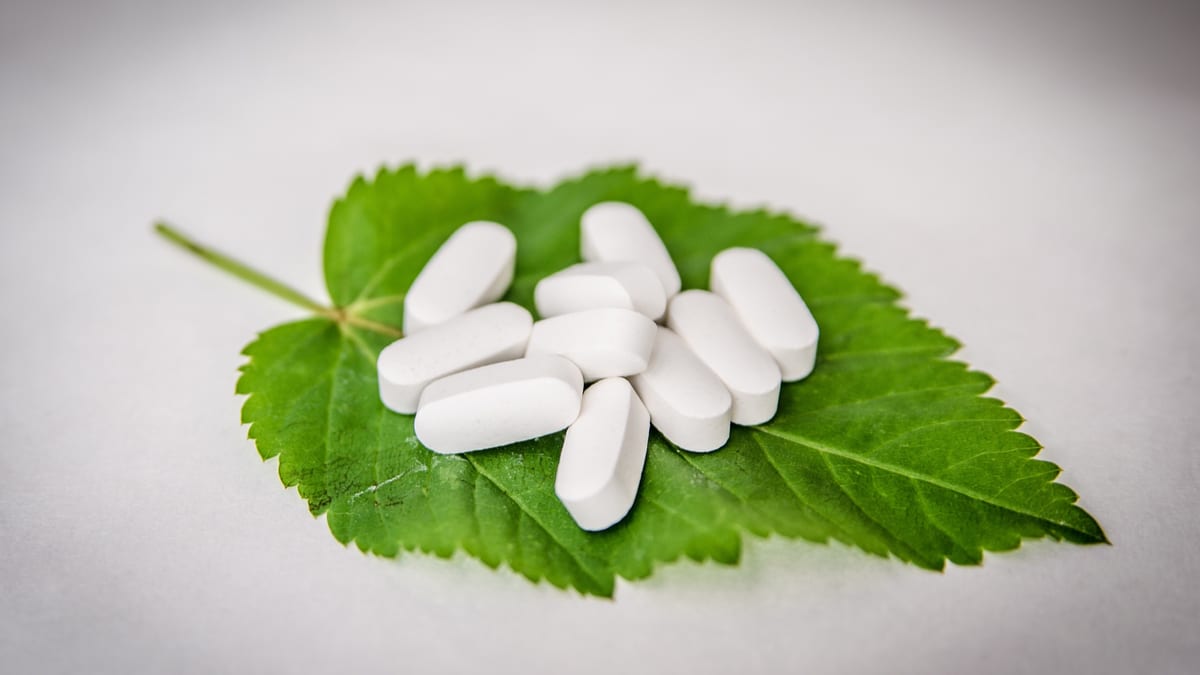
Many people have a supplement cabinet filled with products they started at different times.
One for energy. One for digestion. One for sleep. One recommended by a friend. One purchased after watching a health video online.
Supplements can be useful in the right situation. But more supplements do not automatically mean better health.
The important questions are:
- What is this product supposed to do?
- Why do I think I need it?
- Is the dose appropriate?
- Could it interact with medication?
- How long should I take it?
- What result should I be looking for?
- When should I stop or reassess it?
A supplement is a tool. It should have a purpose.
Why supplement quality and safety matter
Dietary supplements contain active ingredients that can affect the body.
The National Institutes of Health Office of Dietary Supplements warns that supplements may cause side effects, interact with medications, and create risks when taken at high doses or combined with other products. It recommends discussing supplements with a healthcare provider, particularly when taking medications or managing a health condition. (ods.od.nih.gov)
The risk may increase when someone:
- Takes many products at once
- Uses high doses
- Combines products with similar ingredients
- Takes prescription medications
- Has kidney, liver, heart, or bleeding concerns
- Is preparing for surgery
- Is pregnant or breastfeeding
- Uses supplements instead of prescribed medical care
Natural does not automatically mean risk-free.
Start with the purpose
Before adding a supplement, write down the specific reason you are considering it.
For example:
- “I want to support energy.”
- “I want to address a known nutrient deficiency.”
- “I want to support digestion.”
- “I want help with sleep.”
- “I want to support exercise recovery.”
Then ask whether the product is connected to that goal.
If the goal is vague, the plan may be difficult to evaluate.
You should also identify the expected timeline. Some products may have an immediate effect, while others may require consistent use and objective follow-up. Some may not be appropriate at all.
Create a supplement inventory
A simple supplement review can begin with a written list.
Include:
- Product name
- Brand
- Dose
- Time of day
- Reason for taking it
- Date you started
- Whether you noticed a meaningful change
- Other medications or supplements you take
Bring that list to your healthcare provider.
This can reveal duplication. For example, multiple products may contain the same vitamin, mineral, herb, or stimulant.
It can also reveal that you are continuing a product without knowing whether it is helping.
Food first is not always enough, but supplements are not a replacement for food
Whole foods provide more than isolated nutrients. They also provide fiber, protein, healthy fats, water, and other compounds that may contribute to overall health.
The CDC recommends a balanced eating pattern that includes vegetables, fruits, lean protein, whole grains, and healthy fats while limiting excessive added sugars, salt, and unhealthy fats. (cdc.gov) The NIH Office of Dietary Supplements also advises people to speak with a healthcare provider when they think they need nutritional supplements. (ods.od.nih.gov)
Supplements may be useful when food intake, absorption, medical conditions, medications, or documented deficiencies create a need.
But adding supplements without improving the broader diet may not address the full problem.
Testing can help answer better questions
Testing is not automatically required before using every supplement.
However, relevant testing may help clarify whether a particular intervention deserves consideration.
Depending on the situation, a provider may review:
- Current symptoms
- Health history
- Diet
- Medications
- Functional bloodwork
- Nutrient status
- Digestive concerns
- Hormone patterns
- Lifestyle factors
The right testing depends on the question.
Seacoast Naturopathic offers functional lab testing, bloodwork, nutritional counseling, Nutrition Response Testing, and other services designed to help personalize care. The clinic states that testing and recommendations are selected based on the individual rather than automatically ordering every available test. (seacoastnhic.com)
Be careful with bold claims
Be skeptical of products that promise to:
- Cure multiple unrelated conditions
- Replace prescribed treatment
- Produce guaranteed weight loss
- Remove all toxins
- Balance every hormone
- Work for everyone
- Provide results without changes to diet, sleep, movement, or other habits
Health is rarely solved by one bottle.
A supplement can support a plan. It cannot replace individualized assessment, appropriate medical care, or consistent habits.
The main takeaway
The best supplement routine is not necessarily the longest one.
It is the one that is appropriate, purposeful, safe, and connected to a larger plan.
Before buying another product, review what you already take. Write down why you take it. Check for duplication and possible interactions. Then discuss it with a qualified provider.
Start Your Healing & Longevity Assessment
Want help identifying which health concerns may deserve a closer look? Start My Healing & Longevity Assessment to receive personalized insights based on your goals and history. (seacoastnhic.com)
Start My Healing & Longevity AssessmentFrequently Asked Questions
Are supplements safe?
Some supplements are safe for many people when used appropriately, but safety depends on the ingredient, dose, product quality, medications, health conditions, and individual circumstances.
Can supplements interact with medications?
Yes. The NIH notes that supplements can interact with medications and may affect bleeding, anesthesia, and medication effectiveness. (ods.od.nih.gov)
Should I stop taking my supplements before a visit?
Do not stop prescribed medication without speaking with your prescribing clinician. For supplements, bring a complete list to your appointment and ask whether any should be adjusted.
Do I need testing before taking supplements?
Not always. The need for testing depends on the goal, symptoms, history, and supplement being considered.
How does Seacoast help with supplements?
Seacoast may use health history, nutritional counseling, Nutrition Response Testing, functional bloodwork, and other relevant information to help develop a more personalized plan. (seacoastnhic.com)
Is this article medical advice?
No. This article is for general education and does not diagnose or treat any condition.
References
- NIH Office of Dietary Supplements, Dietary Supplements: What You Need to Know. (ods.od.nih.gov)
- CDC, Taking Care of Your Body. (cdc.gov)
- Seacoast Naturopathic, Our Services. (seacoastnhic.com)
- Seacoast Naturopathic, Healing and Longevity Assessment. (seacoastnhic.com)